University of Connecticut Climate Resource Exchange

Showing posts with label extreme heat. Show all posts

Wednesday, September 7, 2011

Hellish Conditions Persist


As of yesterday, Texas wildfires had consumed more than 700 homes and killed at least 4 people. Enabled by extended drought conditions, these fires are big enough to be seen in space.

Astronaut Ron Garan tweeted this picture of the Texas wildfires from the International Space Station.

Since December, wildfires have consumed an area of land that is approximately the size of Connecticut; the lack of containment of the blazes is being called unprecedented. And, while large amounts of rain is being dumped further east, Texas is not receiving the water it so desperately needs (see below).

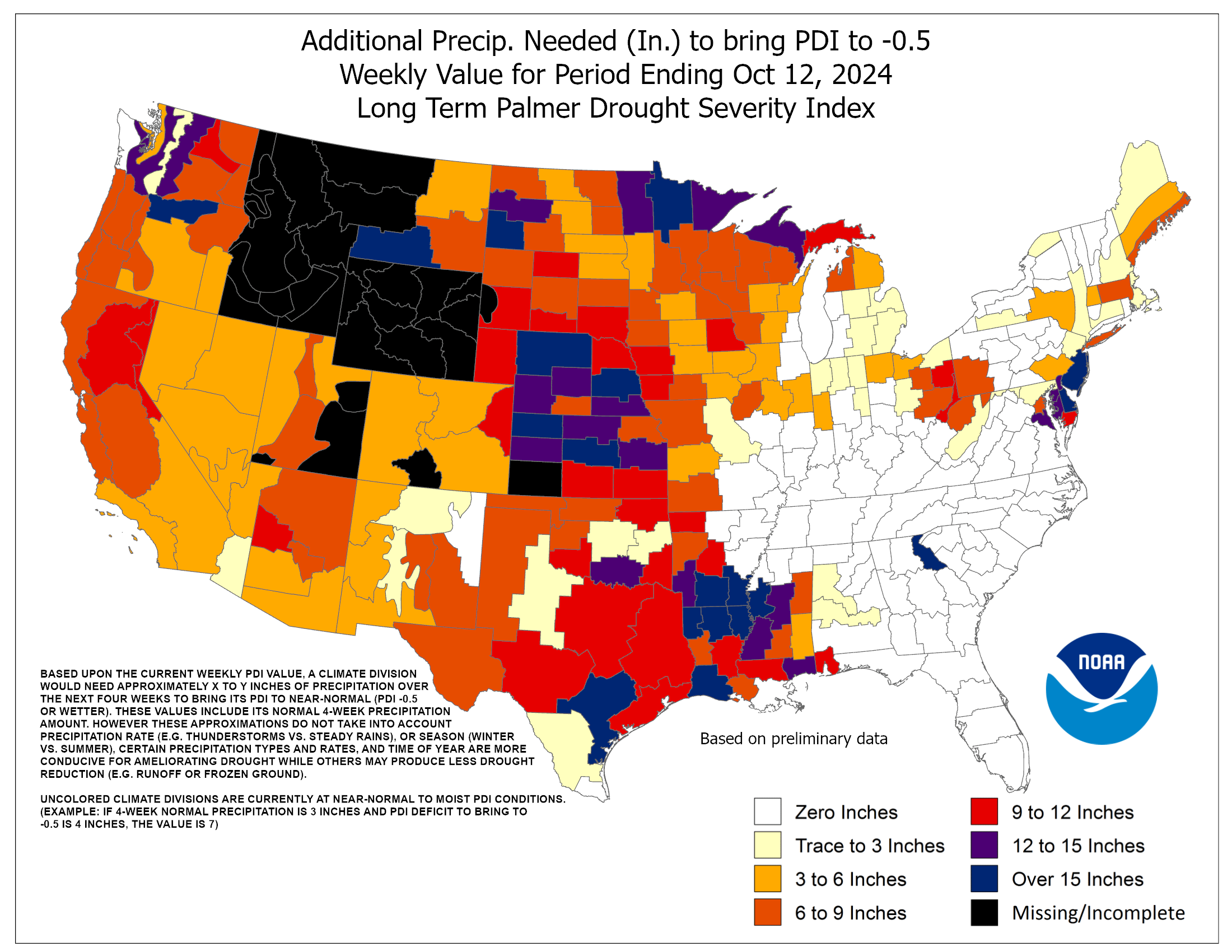
Most of Texas needs over a foot of rain to end drought conditions.

In 2011, about 6 million acres have been burned nationally; over 3 million have been in Texas. And, unfortunately, there is no end in sight to these conditions.

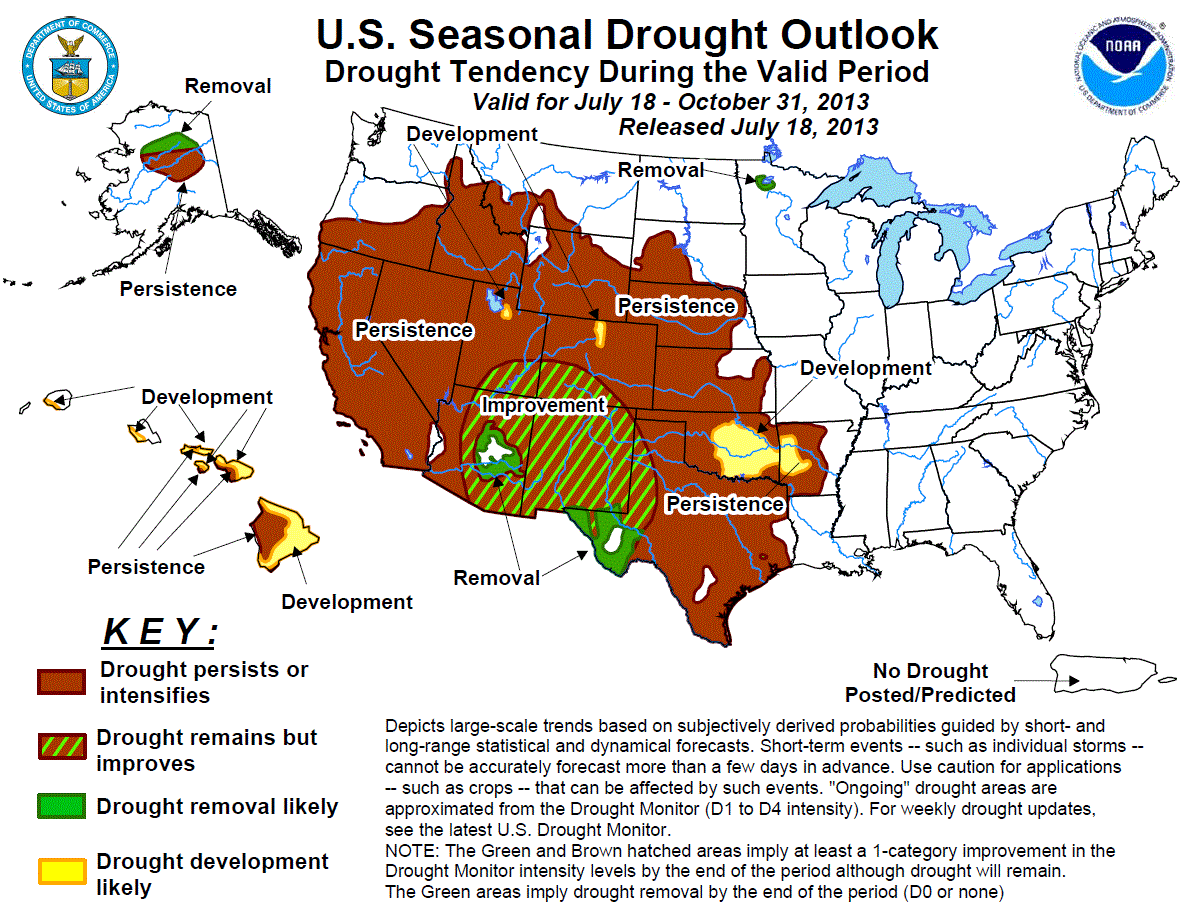
Drought conditions are expected to persist in the southwest US throughout the Fall.


Framed in the proper context, these fires can be seen as one piece of evidence of climate change. Evidence is accumulating that a changing climate is already causing extreme weather events. Moving forward in the 21st century, Texas is located in an area of the world that is projected to become more dry (see map above), which means these hellish conditions (see video below) could be a preview of a more extreme future.


Wednesday, August 17, 2011

La Niña Cause of US Drought?


This article, from NewScientist, discusses two possible causes for the extended heatwave in the US: La Niña or the jet stream being stuck in one place.


Monday, August 15, 2011

More On July's Extreme Heat

Much of the country experienced higher than average temperatures in July.

To follow up last week's post about July's extreme heat, here is another NOAA article about the heatwave that much of the country experienced.

  • "41 of the lower 48 states had above-normal, much-above-normal, or a record warmest July."
  • "The South climate region -- Arkansas, Kansas, Louisiana, Mississippi, Oklahoma, and Texas -- had its warmest single calendar month for any climate region on record."
  • "Exceptional drought, as defined by the U.S. Drought Monitor, covers more than 75 percent of Texas (201,436 sq mi)."
Record high (day and night) temperatures across the US.